
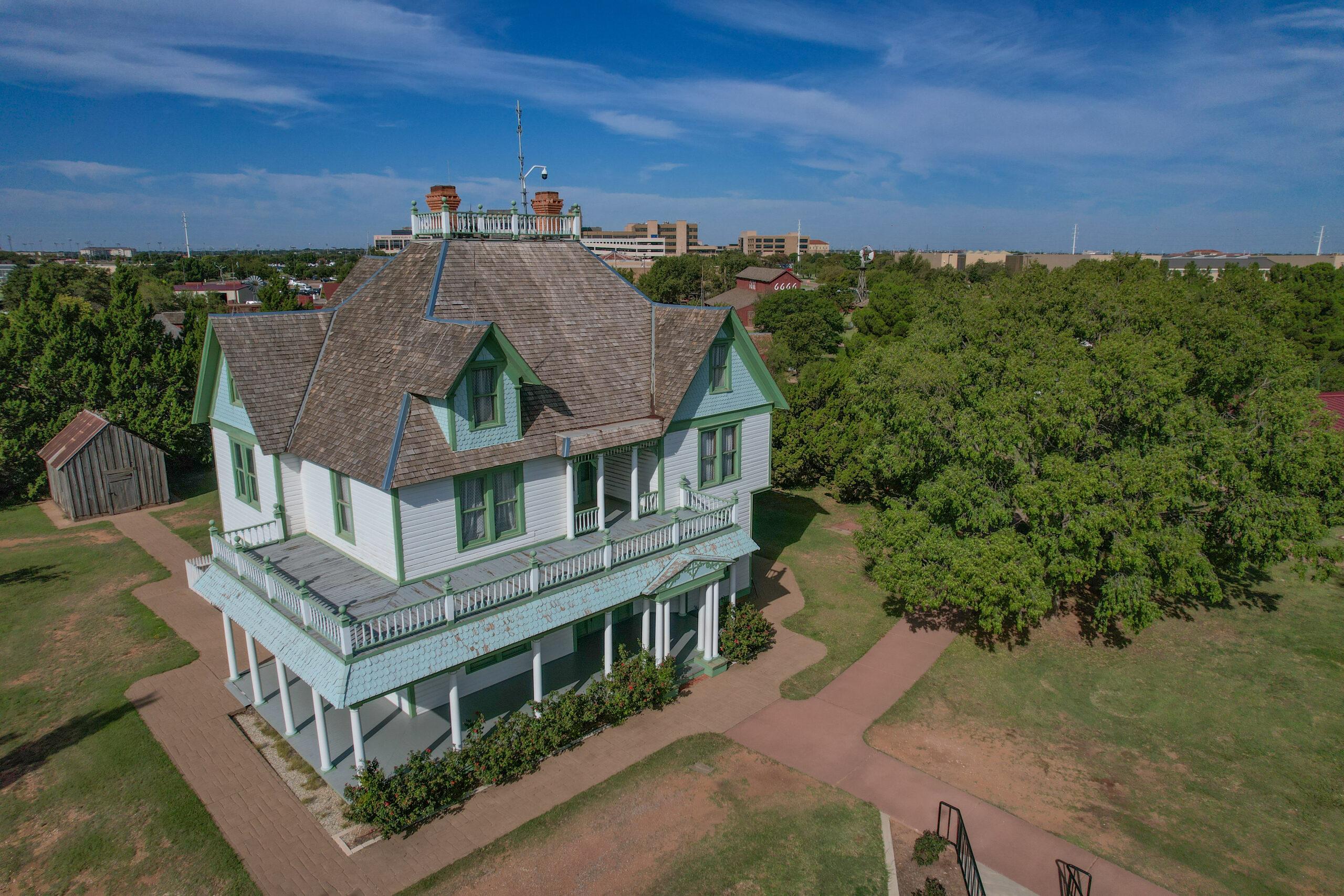
Drone Inspection for Historic Buildings: Preserving the Past Without Risk
Historic landmarks connect us to our shared heritage, but maintaining these structures presents unique challenges. Traditional inspection methods often involve scaffolding, lifts, or direct contact—each of which can damage fragile materials. Today, Drone Inspection for Historic Buildings offers a safer, faster, and far less invasive alternative.
At South Plains Aerial Imaging, we provide professional aerial imaging services throughout Lubbock, TX and the West Texas region, helping organizations preserve historic buildings and monuments without putting them at risk.
Why Drone Inspection for Historic Buildings Matters
Historic structures are often constructed with materials and techniques no longer used today—hand-cut stone, aged timber, antique masonry, or delicate ornamentation. Physical inspections can accelerate deterioration or cause irreversible damage.
Drone Inspection for Historic Buildings eliminates the need for direct contact, allowing preservationists to assess conditions safely while maintaining the integrity of the structure.
Non-Invasive Assessment Protects Fragile Structures
One of the greatest benefits of Drone Inspection for Historic Buildings is that it requires zero physical interaction with the structure.
Traditional methods may involve:
-
Drilling anchor points for scaffolding
-
Placing heavy equipment against walls
-
Foot traffic on delicate roofs
-
Physical handling of aging surfaces
Drones hover at a safe distance, capturing ultra-high-resolution imagery without touching the building. This non-invasive approach is ideal for:
-
Stone facades and carvings
-
Stained glass windows
-
Aging roof systems
-
Crumbling mortar joints
-
Historic monuments and statues
Access to Hard-to-Reach or Dangerous Areas
Historic sites often include towers, domes, steeples, or elevated architectural features that are extremely difficult—and dangerous—to inspect manually.
Drone Inspection for Historic Buildings enables safe access to areas such as:
-
Clock towers
-
Bell towers
-
Cathedral spires
-
Domed roofs
-
Elevated statues
-
Cliffside ruins
Instead of risking human safety, drones capture detailed visuals in minutes.
High-Resolution Documentation for Preservation Records
Preservation projects require meticulous documentation over time. Drones provide extremely detailed imagery and video that can be archived for future comparison.
Benefits include:
-
Baseline condition reports
-
Change detection over time
-
Restoration planning support
-
Grant and funding documentation
-
Insurance and compliance records
This level of precision makes Drone Inspection for Historic Buildings invaluable for conservation professionals.
Early Detection of Structural Issues
Small problems can escalate quickly in historic structures. Water intrusion, cracks, biological growth, or loose masonry can lead to severe damage if not addressed early.
Drone inspections help identify:
-
Roof deterioration
-
Moisture intrusion points
-
Structural cracks
-
Missing or damaged materials
-
Vegetation growth
-
Storm damage
Early detection significantly reduces repair costs and preserves original materials.
Reduced Costs Compared to Traditional Methods
Scaffolding and lift equipment can be extremely expensive—especially for tall or complex historic buildings. They also require setup time, permits, and sometimes road closures.
Drone Inspection for Historic Buildings drastically reduces costs by eliminating:
-
Equipment rentals
-
Labor-intensive setup
-
Extended site disruptions
-
Liability exposure
Inspections that once took days can now be completed in hours.
Minimal Disruption to Visitors and Operations
Many historic sites remain open to the public. Traditional inspections may require partial closures, restricted access, or safety barriers.
Drone operations are quick and minimally disruptive, allowing:
-
Museums to remain open
-
Religious services to continue
-
Tourist access to remain uninterrupted
-
Events to proceed as planned
This makes drones ideal for active landmarks.
Enhanced Safety for Personnel
Climbing historic structures presents serious risks, especially when surfaces are unstable. By keeping inspectors safely on the ground, Drone Inspection for Historic Buildings significantly reduces workplace hazards.
Safety benefits include:
-
No work at dangerous heights
-
No exposure to unstable materials
-
Reduced fall risk
-
Lower insurance liability
Ideal for Disaster Assessment and Emergency Response
After storms, earthquakes, or fires, historic buildings may become unsafe to approach. Drones provide rapid situational awareness without endangering responders.
They can quickly assess:
-
Structural stability
-
Debris hazards
-
Roof damage
-
Accessibility issues
-
Immediate preservation needs
Supporting Sustainable Preservation Efforts
Preserving historic structures is inherently sustainable. Drone technology enhances this by reducing environmental impact:
-
Less heavy equipment use
-
Reduced ground disturbance
-
Lower fuel consumption
-
Minimal site alteration
Drone Inspection for Historic Buildings aligns perfectly with modern conservation principles.
Partner With a Professional Drone Service Provider
Historic preservation demands precision, care, and experience. Professional drone operators use advanced equipment and follow strict safety and regulatory standards to ensure reliable results.
At South Plains Aerial Imaging, we are proud to help communities across West Texas protect their cultural heritage using cutting-edge aerial technology.
Protecting History Without Touching It
Historic buildings and monuments are irreplaceable. Inspection methods should never put them at risk. Drone Inspection for Historic Buildings offers a modern solution that is safer, faster, more affordable, and completely non-invasive.
If you are responsible for maintaining a historic site, drone technology may be the most effective way to safeguard its future while honoring its past.